Be Curious, Be Open
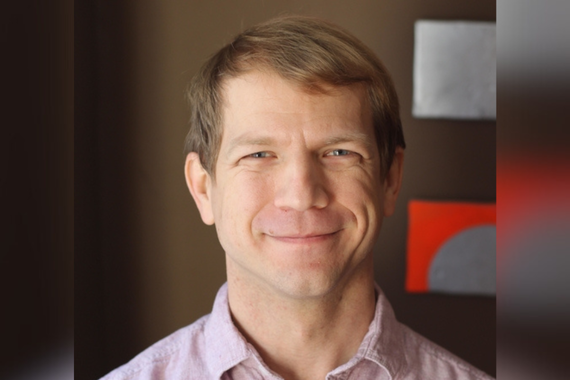
Rachael Houston (PhD '22) is an assistant professor of American judicial politics at Texas Christian University. At the University of Minnesota (UMN), she studied American politics, methodology, and political psychology. Read the below Q&A to learn more about her experience at UMN and how the graduate program prepared Rachael for her current position.
Why did you choose the UMN political science graduate program?
I chose UMN because of my visit day experience. I had visited other programs and many felt overly competitive. Minnesota immediately felt different. The atmosphere was collegial, welcoming, and genuine. People weren't trying to sell me on the program; they wanted me to choose the best fit for me.
The collegiality I felt during that trip carried through my entire time at UMN. I felt encouraged, valued, and supported, as a scholar and as a person, which made all the difference in successfully completing the program.
What was your graduate program experience like?
Don't go into grad school thinking you have to stick with the topic you planned to study. It's great if you do, but keep an open mind. I planned to study public opinion, specifically how people feel about and communicate with elected officials.
During my first few years, I took a Supreme Court seminar with Dr. Tim Johnson. I had no prior interest in the Court, but I became fascinated. That class completely shifted the trajectory of my academic career and Tim became my advisor.
I also appreciated the flexibility my graduate school experience gave me. I kept a fairly structured nine-to-five schedule for my classwork and research, allowing me to reserve weekends for myself. That balance helped keep me sane during what can be an intense process. The mix of structure and freedom helped me enjoy graduate school as a whole experience, not just an academic one.

What was unique about your experience?
I had twin boys while finishing my dissertation. They were born in February, in the middle of the writing process, and I defended that June. It was an intense few months, but I felt incredibly supported by the department.
I learned to write whenever I could, often while the twins napped. The structure gave me a sense of balance. Three years later, not much has changed; I'm writing during nap time. That habit is part of how I balance being a mom and professor.
How did graduate school prepare you for your current position?
One advantage I had on the job market was teaching experience. I taught at Metro State University, Normandale Community College, and UMN. I learned what assignments worked, how to structure lessons, and how to adjust my approach. Each course was a chance to refine my teaching style and think more about what I wanted students to take away. When I was on the market, I wasn't just confident in front of a classroom—I had prepped three classes to teach. I had a clear teaching philosophy and a strong record of positive student feedback to back it up.
I also co-authored with my advisor, so I graduated with a publication. Since publications take time, I made sure to work on multiple publications at once. Having several projects in progress with different co-authors kept my research pipeline moving and gave me a variety of things to talk about in interviews. Starting collaborations early in graduate school helped me build a record of active and substantial research.
Additionally, I made a point to network. My subfield is smaller than expected, and the connections I built through conferences and co-authorships have been essential for my career and collaborations. Many of those professional relationships have grown into friendships, which makes being part of the field not only professionally rewarding, but personally meaningful.
How did the department prepare you for success?
The training and mentorship I received at UMN shaped how I approach teaching and research. On the teaching side, my teaching assistantships were invaluable. I paid attention to how faculty members taught, what engaged students, how they explained complex concepts, and how they managed tricky classroom moments. I still use many of those techniques in my teaching.
On the research side, the department provided countless opportunities to present and get feedback. Presenting at the Center for the Study of Political Psychology (CSPP) meetings and in Dr. Chris Federico's psychology lab helped me refine my arguments and effectively communicate my findings. Running surveys through CSPP was critical for my dissertation, and the faculty provided guidance every step of the way. Combined with the supportive grad student community and opportunities to attend conferences, I felt well-prepared to transition into a faculty role.
What advice would you give students?
Choose your advisor carefully. Don't pick someone because you admire their research or because they are well known in the field. What matters more is finding someone you trust, who will encourage you, push you when you need it, and genuinely believes in you & your potential. Your advisor helps shape your career, guide you through setbacks, and celebrate your wins along the way. For me, Tim Johnson was that person. He advocated for me at every step, gave me honest & constructive feedback, and pushed me to ask better questions & think more critically about my work. Just as importantly, he supported me as a person. We still co-author together, and he is someone I continue to turn to for career and life advice.
Take advantage of every opportunity to learn and connect with people, even outside your research area. It's easy to develop tunnel vision and focus on your own subfield, but some of the most valuable insights come from looking beyond your area of study. I study the Supreme Court, but incorporate ideas from communication and psychology into my research. These perspectives push me to ask different questions and think more creatively. Be curious, be open, and don't be afraid to step outside your comfort zone.
Composed by Sophia Paschke, communications associate.